BUILTHERITAGE
Stewarded by the City of Edmonton Archives
  • By Time
  • By Place
  • By Story
⌘K
BUILTHERITAGE
Stewarded by the City of Edmonton Archives

Discover the structures, places, and stories that shaped Edmonton's built environment.

Resources

NewsFAQsLinks

Contact

City of Edmonton Archivesarchives@edmonton.ca780-496-8711

We acknowledge that the land on which Edmonton is built is Treaty Six Territory. We thank the diverse Indigenous Peoples whose footsteps have marked this territory for centuries, such as nêhiyaw (Cree), Dené, Anishinaabe (Saulteaux), Nakota Isga (Nakota Sioux), and Niitsitapi (Blackfoot) peoples. We also acknowledge this as the Métis homeland and the home of one of the largest communities of Inuit south of the 60th parallel. It is a welcoming place for all peoples who come from around the world to share Edmonton as a home. It is important that we not only recognize our shared histories, but also each other's contributions to establishing the built heritage of Edmonton and Area.

© 2026 City of Edmonton Archives
Privacy Policy•Terms of Use•Accessibility
  1. Structures

Sundance or Thirst Lodge

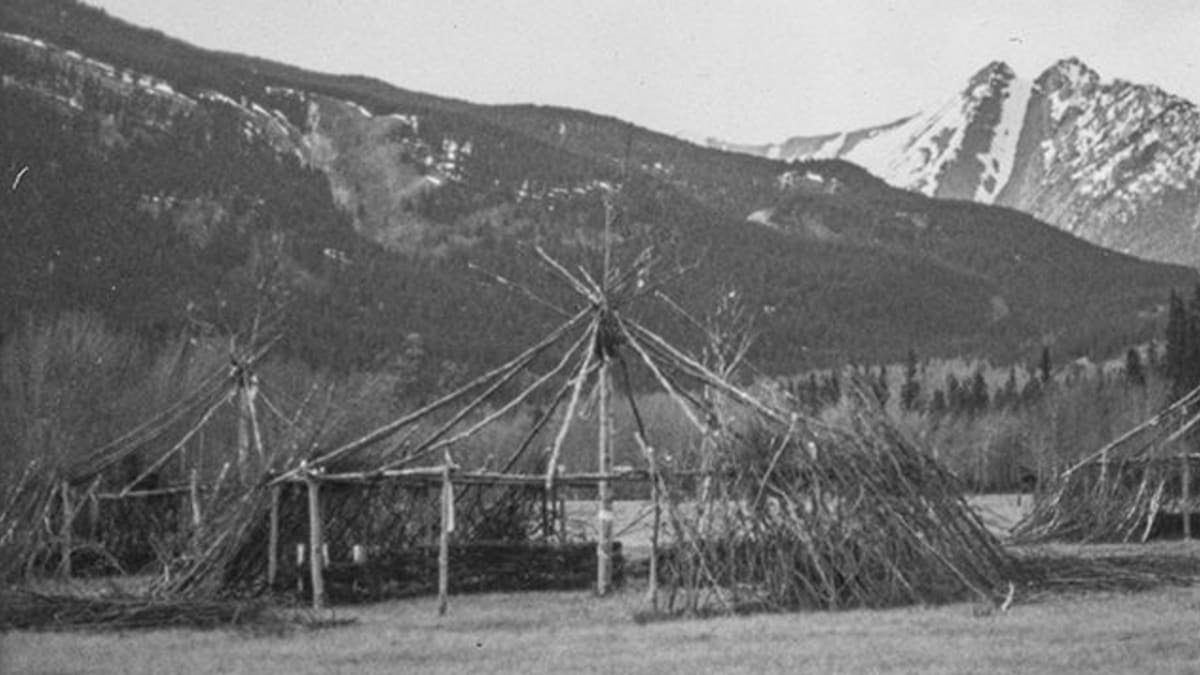
To battle and deter sickness, ceremonialists would participate in a Thirst or Sundance. This event has foundations in sacrifice and is held in a traditional lodge with its execution varying from Nation to Nation.

On this record

Connections
15Connections
Stories
1Stories
Photos
1Photos
Sundance or Thirst Lodge

On this page

Details

Built
TBD
Neighbourhood
  • River Valley Walterdale
  • River Valley West Central
Address
River Valley area, Edmonton, AB
Historic designation
Unknown
Time period
  • Urban Settlement: 1870-1904
  • Urban Growth: 1905-1913
  • The War Years: 1914-1945
  • The Post War Years: 1946-1970
  • Pre-contact and Fur Trade: 11,000 Bce to 1870
People
TBD
Architectural styles
Indigenous
Character defining elements
Aspen Cladding, Centre Pole, Ceremonial Space, Natural Materials, Semi-permanent, Wood Frame

About

Recent discoveries have pointed to these ceremonial lodges being erected in the Terwillegar area as well as the former reserve lands of the Enoch Cree Nation. During the early days of Edmonton, ceremonies were documented as ongoing, and many Indigenous leaders and peoples gathered in times of healing.

Depending on time of year and which part of the province you were in, prior to colonization, it would have been common for one to see Sundance or Thirst Dance lodges at sacred sites. Using an advanced understanding of architecture, arithmetic and geometry, First Nations would construct these semi-permanent aspen structures to hold complex ceremonies. Using materials gathered from the area, and sometimes brought in for offering, these lodges would be used for the ceremony intended, then left to return to the earth on their own accord. Intertwined with the architecture would be symbolism and teachings to the natural world, deities and other spiritual aspects of First Nations beliefs.

Depending on the Nation, the lodge could be called a Sundance or Thirst Dance lodge, with differences existing between the types of ceremony held therein. Due to cultural teachings and respect, further elaboration of these events should be sought out with knowledge keepers and teachers from First Nations Communities. In Edmonton, certain newspapers had written about Thirst Dances taking place in the River Valley in the late 1800s.
Stories

Media

Students' Union BuildingPrevious structure

Structure 132 of 147

SweatlodgeNext structure