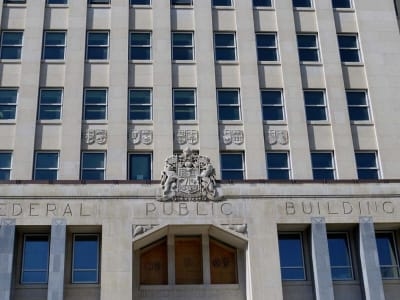
Art Deco Influences
Art Deco influenced buildings are not common in Edmonton, through there are some noteworthy examples.
Design movements and styles represented in Edmonton heritage resources.
In this collection
Art Deco influenced buildings are not common in Edmonton, through there are some noteworthy examples.
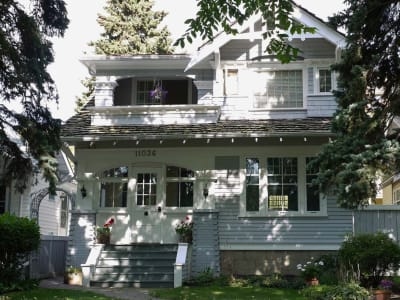
The Arts and Crafts style valued natural materials and truth in form. It was typically very ornate and employed a lot of details.
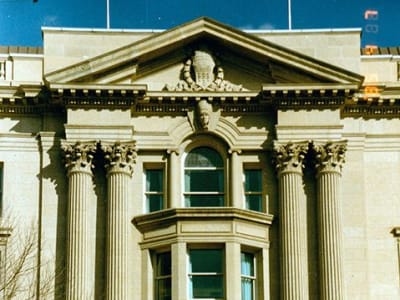
Elegant Beaux Arts buildings were constructed between 1885 and 1930 especially by those wanting to portray an image of prosperity.
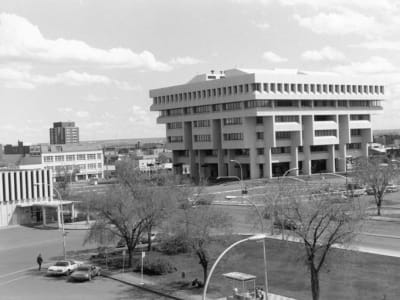
Brutalist architecture is characterized by concrete and a lack of detail. Regardless of your view on its aesthetics, it is certainly easy to identify.
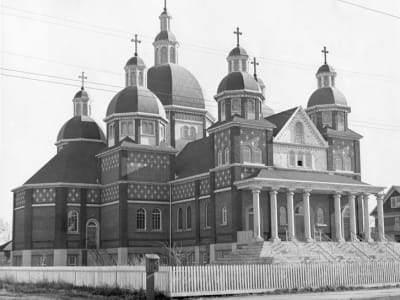
Byzantine architecture is an important reminder of the Eastern European settlers who arrived in Edmonton beginning in the 1890s.
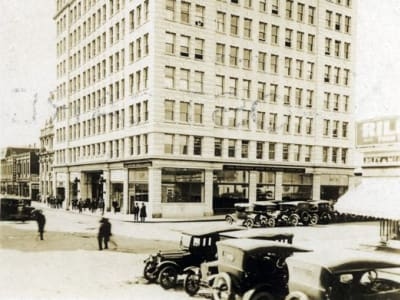
A school of architecture grew out of Chicago in the early 1900s and made its presence known across North America, including a few examples in Edmonton.
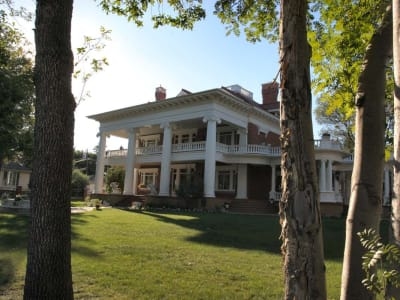
Classical Revival architecture is a romantic style that makes use of elements found in Greek and Roman buildings from antiquity.
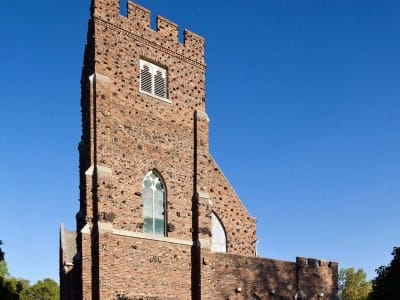
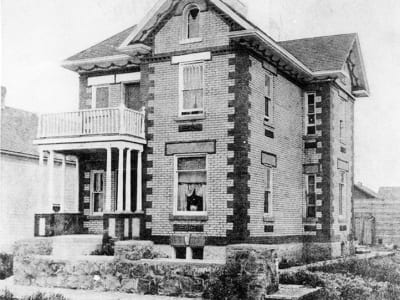
Clinker bricks were valued for their unique appearance and used extensively in Edmonton, unlike most other places where they were considered garbage.
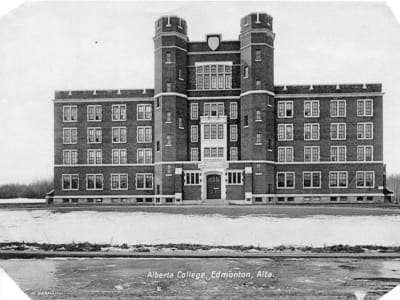
Collegiate Gothic architecture is associated with education, and is often found on university campuses, including the University of Alberta.
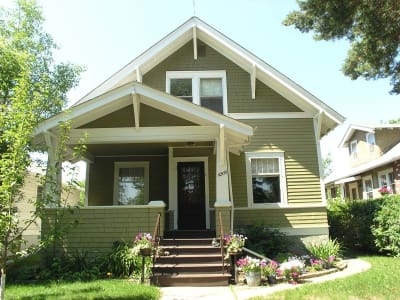
The Craftsman style was similar to Arts and Crafts but less detailed. The value of natural materials and truth in form are still very evident.
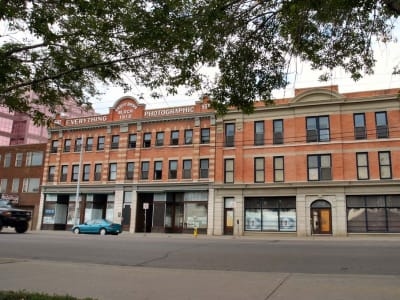
The Edwardian style was popular in Edmonton in the first decades of the 20th century and was most commonly seen in commercial buildings.
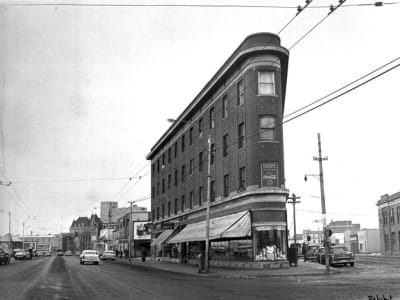
The iconic Flat Iron style is easily identifiable by its triangular footprint a flat roof.
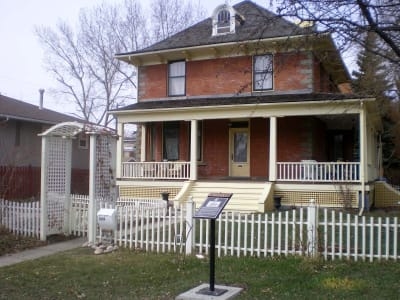
Foursquare homes were very popular in Edmonton in the 1910s. There are many surviving examples that provide wonderful character to some of the city's older neighbourhoods.
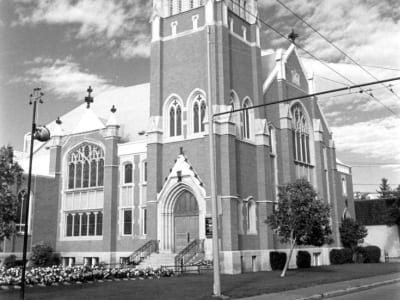
The Gothic Revival style in Edmonton is most commonly seen in churches, such as St. Joachim's or Robertson-Wesley.
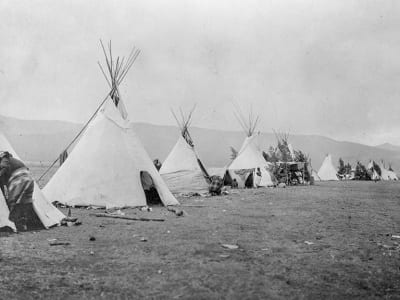
When outsiders look upon Indigenous architecture, they are often intially preoccupied with the ease and simplistic appearance. However, under the surface of the natural materials and form are complex design elements that rival today's modern buildings.
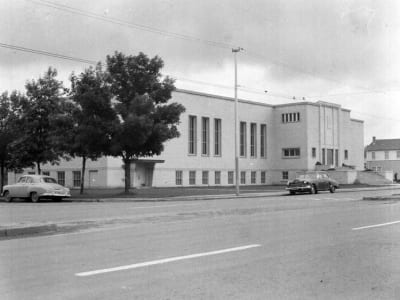
The International style was popular in Edmonton in the 1950s, and is most easily identified by its smooth surfaces, flat roof and lack of detail.
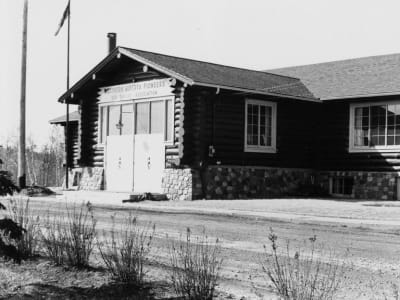
Log buildings were among the first constructed in the Edmonton area. Although seemingly rudimentary, they required considerable skill to build well.
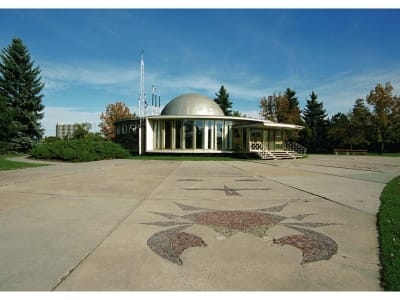
Edmonton has a rich and varied Modern architectural legacy, with many subsets and some world class examples.
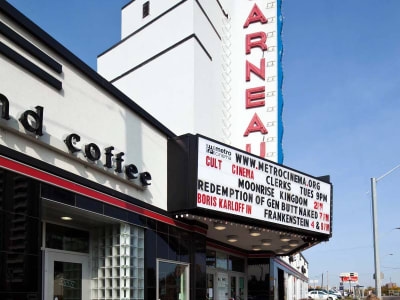
Moderne architecture was popular in Edmonton in the 1930s and 1940s and was an adaptation of the Art Deco style.
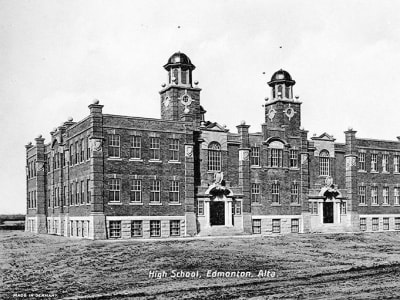
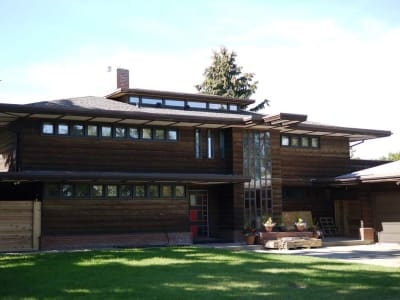
Edmonton has only a few examples of Prairie style homes, identified by their low roofs, banks of windows and horizontal emphasis.
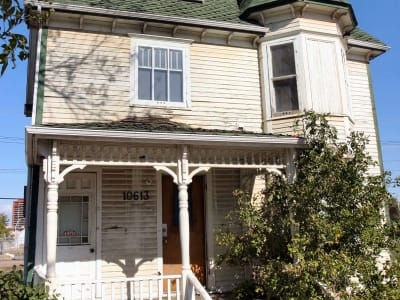
The Queen Anne style was popular in the late 1890s and early 1900s, but not many examples have survived in Edmonton.
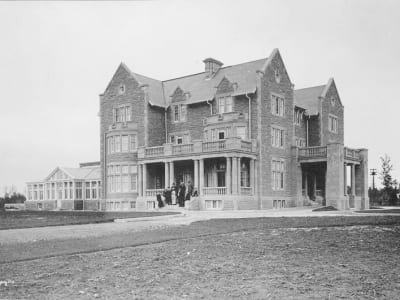
The Scottish Baronial style can be seen in some of Edmonton's most iconic structures, such as the Hotel Macdonald or the Provincial Legislature.
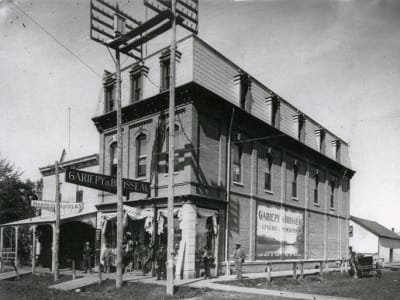
Inspired by traditions coming out of the French Renaissance, Second Empire buildings are lavish and complex, and always feature a distinctive Mansard roof.
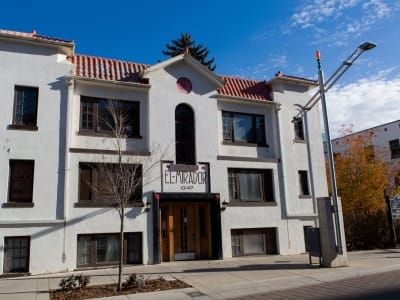
The Spanish Revival style served to romanticize not only theatres and commercial structures, but residential buildings as well.
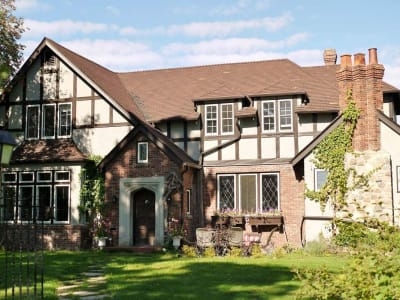
Tudor Revival architecture was popular in Edmonton in the 1930s, and can evoke responses for its storybook qualities.
Showing 27 styles